






The Psychology of Buying: How Emotions Drive Online Purchases
In the fast-paced world of online shopping, emotions often hold the reins, turning casual browsers into impulsive buyers.
Understanding the psychology of buying reveals how feelings like excitement, fear of missing out and trust propel e-commerce sales, making it essential for businesses to harness these forces for skyrocketing conversions.
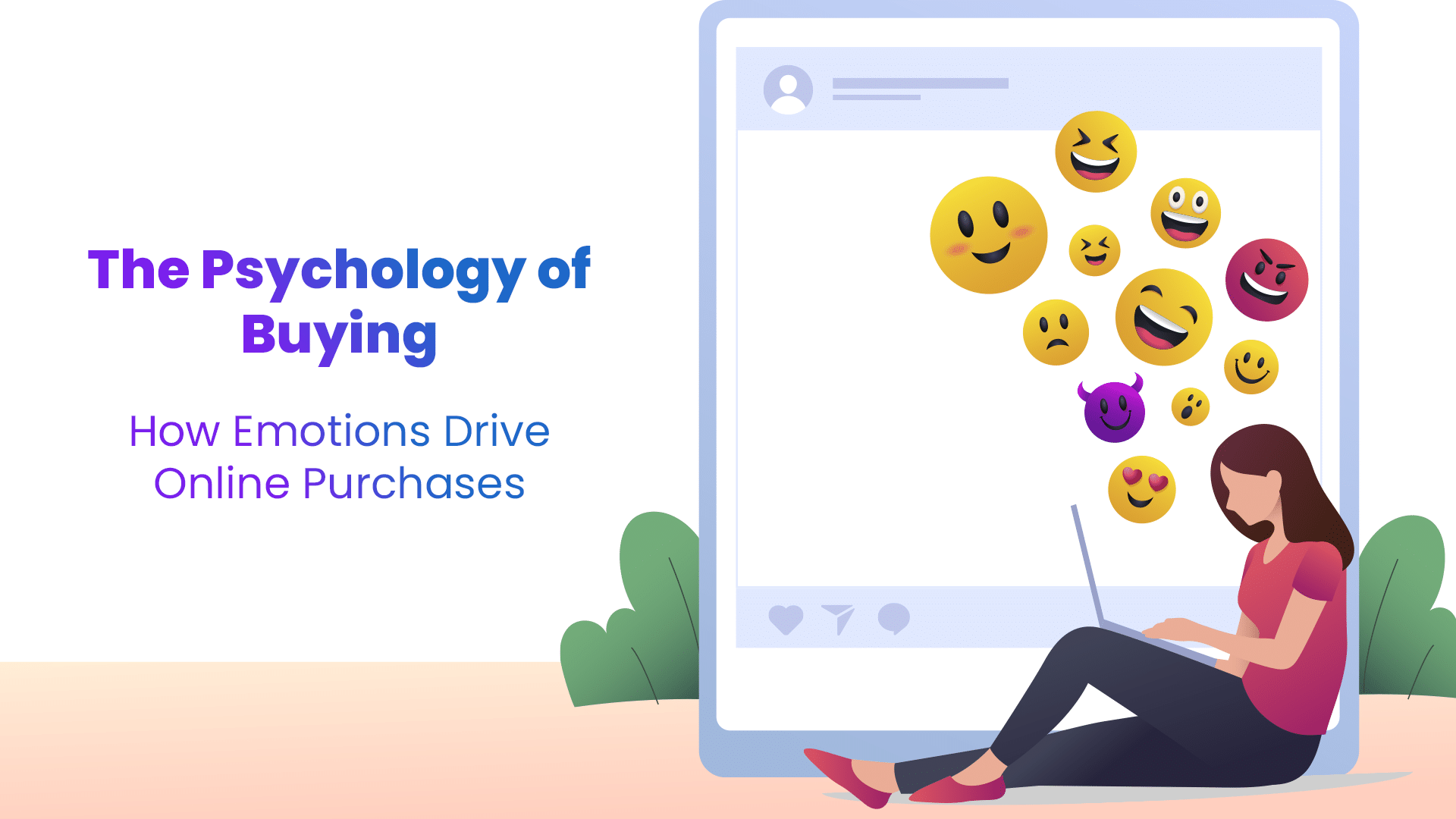
Emotions as the Hidden Engine of E-Commerce & Psychology of Buying
At the heart of every online purchase lies a surge of emotions that override rational thinking.
When shoppers scroll through vibrant product images or encounter limited-time deals, their brains release dopamine—a “feel-good” chemical that creates an addictive rush, much like winning a game.
This emotional high explains why impulse buying online accounts for up to 40% of e-commerce transactions, as feelings of joy and anticipation make “add to cart” buttons irresistible.
Marketers who tap into this consumer psychology craft experiences that feel personal and urgent, boosting online shopping behavior and loyalty.
Savvy e-commerce platforms excel by evoking positive emotions through storytelling and visuals.
Imagine a customer feeling empowered by a product description that promises transformation suddenly, that fitness tracker isn’t just a gadget; it’s a ticket to a healthier life.
By aligning with shoppers’ desires for happiness and belonging, brands skyrocket sales psychology metrics, turning one-time visitors into repeat customers.
Key Emotional Triggers Fueling Online Impulse Buys
Several proven psychological principles dominate e-commerce psychology, each leveraging emotions to nudge decisions:
-
Fear of Missing Out (FOMO): Countdown timers and “only 3 left in stock” alerts trigger anxiety, compelling quick buys to avoid regret. This tactic exploits the human aversion to loss, driving online shopping psychology spikes during flash sales.
-
Social Proof: Reviews, star ratings, and user-generated content build trust through emotional validation—”If others love it, I will too.” Positive testimonials create a bandwagon effect, amplifying consumer buying behavior and reducing purchase hesitation.
-
Scarcity and Urgency: Limited-edition drops or “sale ends soon” banners ignite excitement and competition, making shoppers feel they’re securing a rare gem. This emotional scarcity principle is a cornerstone of psychology of online shopping, proven to lift conversion rates by 20-30%.
-
Anchoring Effect: Displaying a high original price next to a slashed discount creates perceived value, evoking satisfaction and relief. Shoppers emotionally anchor to the “savings,” justifying splurges in digital marketing psychology campaigns.
These triggers aren’t manipulative—they’re rooted in universal buying psychology, helping brands connect authentically while supercharging revenue.
Building Trust: The Emotional Glue for Repeat Purchases
Trust forms the bedrock of e-commerce success, as emotions like security and confidence dictate whether a cart gets abandoned or checked out. Free shipping, easy returns, and secure payment badges alleviate fears of scams, fostering a sense of safety that encourages bolder spending.
Loyalty programs add emotional layers by rewarding points accumulation, creating attachment and hesitation to switch stores—customers ponder twice before losing hard-earned perks.
Personalization amplifies this bond; recommendation engines that “just get you” spark delight and familiarity, mimicking a friendly salesperson.
In online consumer psychology, this emotional resonance turns browsers into brand evangelists, with personalized emails boosting open rates by 26% and clicks by 14%.
Businesses ignoring these cues risk carts full of doubt, while masters of emotional trust enjoy soaring customer retention rates.
The Dark Side: When Emotions Lead to Buyer’s Remorse
While emotions propel online purchases, they can backfire, fueling addictive cycles. Dopamine hits from targeted ads erode self-control, leading to compulsive online shopping and post-purchase guilt. Overwhelmed by endless options (the “paradox of choice”), shoppers experience decision fatigue, abandoning carts amid emotional overload.
Smart strategies counter this: Implement mandatory waiting periods for non-essentials, delete saved card details, and curate “good enough” options to tame perfectionism. By addressing these pitfalls, e-commerce sites promote mindful buying, enhancing long-term satisfaction and reducing refunds—key to sustainable e-commerce growth.
Mastering Emotions for E-Commerce Domination
Leverage psychology of buying online by A/B testing emotional cues like vivid imagery and urgency phrasing to refine your funnel. Integrate chatbots for instant reassurance, turning frustration into joy.
High-search terms like online shopping psychology, consumer emotions in e-commerce, and impulse buying triggers demand content that educates while selling—position your brand as the go-to authority.
Forward-thinking retailers use data analytics to map emotional journeys, predicting behaviors and personalizing at scale.
The payoff? Exponential growth in sales psychology effectiveness, with emotionally attuned stores outperforming rivals by margins that redefine profitability. Dive into these insights today, and watch your e-commerce sales transform—because in the digital marketplace, emotions aren’t just drivers; they’re the ultimate currency.